Natural Diamonds :
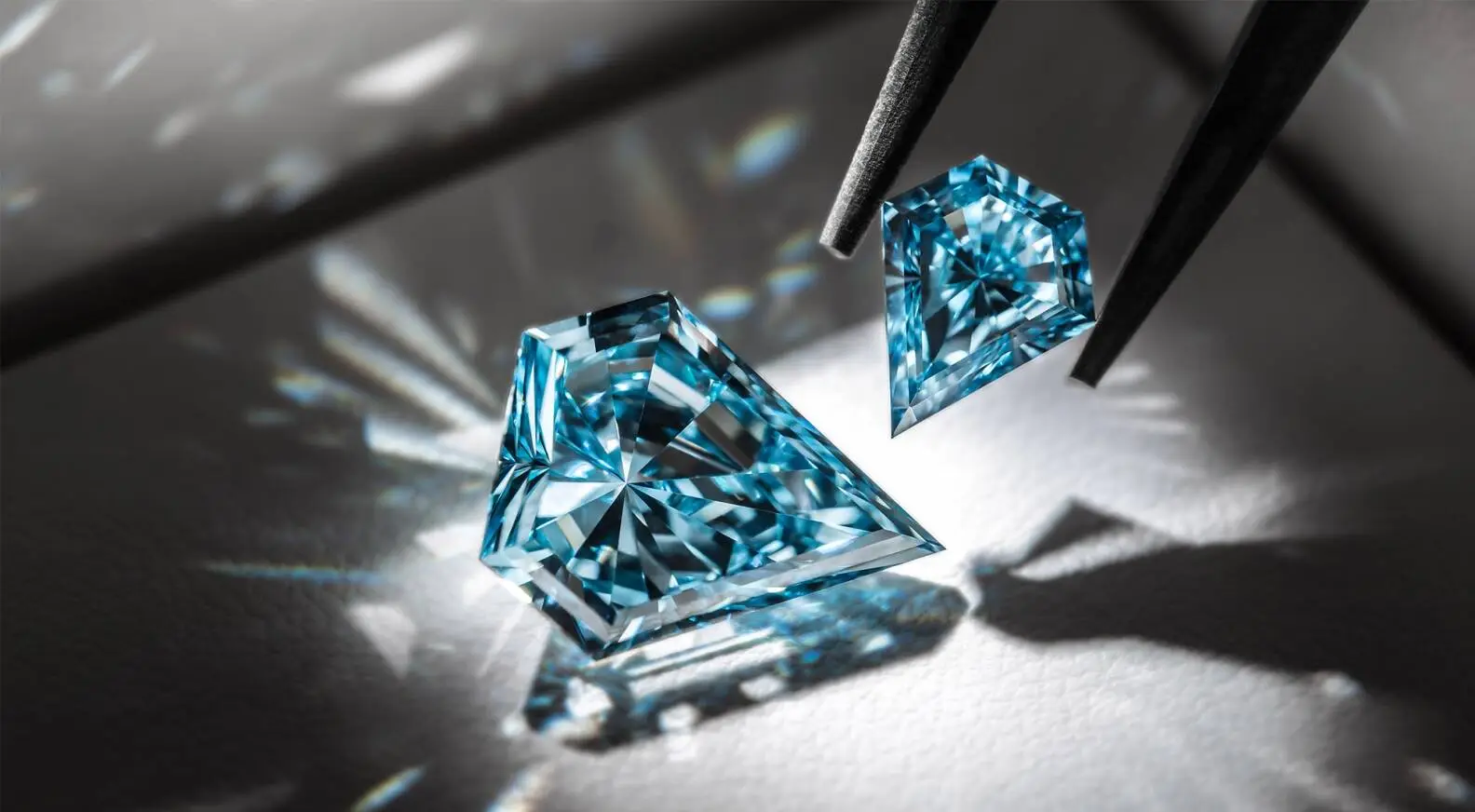
Origin: Formed deep in the Earth under extreme heat and pressure over billions of years.
Rarity: Extremely rare; geological formation makes them unique.
Value: Generally more expensive due to scarcity and traditional market demand.
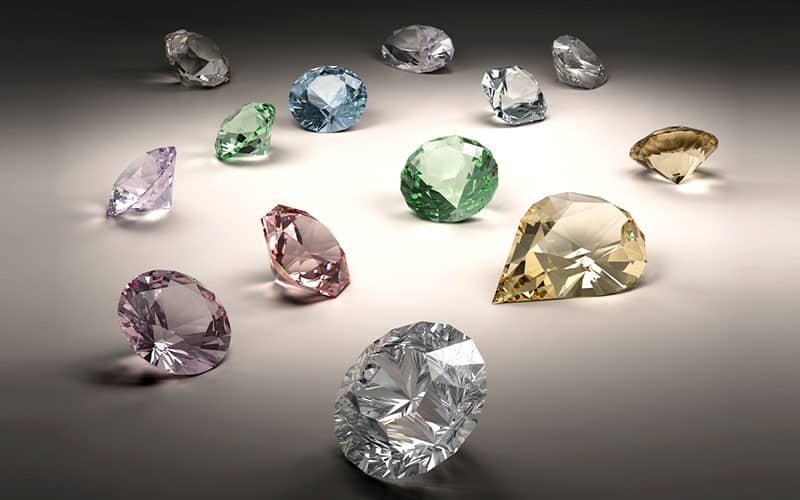
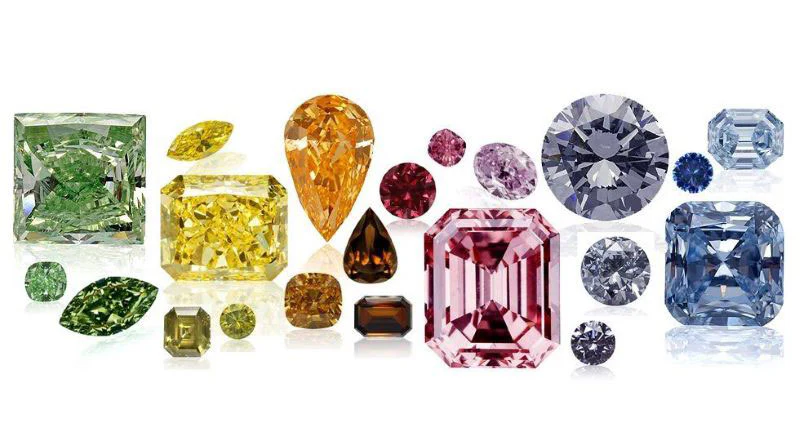
Characteristics: Natural trace elements can result in subtle colors.
Lab-Grown Diamonds :
Origin: Created in controlled lab environments using advanced technology (HPHT or CVD methods).
Cost: Usually 20–40% less expensive than similar natural diamonds.
Composition: Chemically and physically the same as natural diamonds—both are crystallized carbon with a cubic structure
Ethics & Sustainability: Considered more ethical and eco-friendly by many consumers (fewer mining impacts).
The 4Cs: Diamond Quality Standards
All diamonds—natural or lab-grown—are graded using the 4Cs: Cut, Color, Clarity, Carat. Additionally, we’ll explain “purity” and other descriptors.
Cut
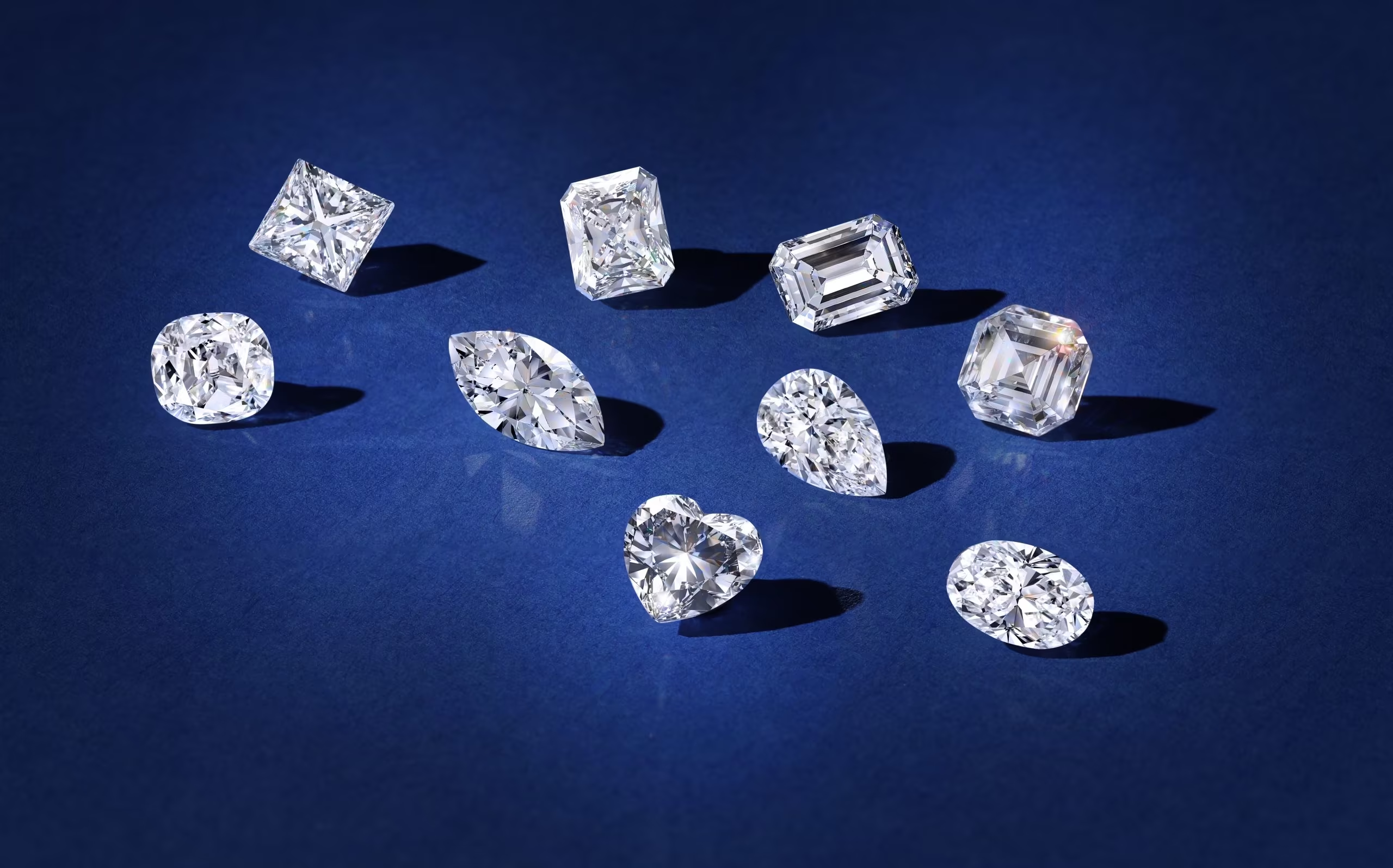
What it means: How well a diamond is shaped and faceted.
Why it matters: Cut determines sparkle, brilliance, and fire more than any other factor.
Cut Grades (GIA System)
Excellent / Ideal
Very Good
Good
Fair / Poor
Color :
Definition: How colorless a diamond appears; diamonds absorb light best when they are colorless.
Natural & Lab-Grown Color Scale (D–Z)
Grade Description
D Absolutely colorless — highest grade
E–F Colorless
G–H Near colorless
I–J Slight warmth visible under magnification
K–M Light color (visible to naked eye)
N–Z Noticeable color
Clarity :
Definition: How free a diamond is from inclusions (internal flaws) and blemishes (surface flaws).
Standard Clarity Grades
Grade What It Means
FL (Flawless) No inclusions/blemishes visible at 10× magnification
IF (Internally Flawless) No internal inclusions; slight surface marks
VVS1 & VVS2 Very, very small inclusions
VS1 & VS2 Very slight inclusions
SI1 & SI2 Slight inclusions visible under magnification
I1 / I2 / I3 Inclusions visible to naked eye
Carat :
Definition: Diamond weight. One carat = 0.2 grams.
More carats = larger size
Prices rise exponentially with carat, not linearly
Two 0.50 ct stones may cost less than one 1.00 ct stone of equal quality
Purity :
In diamonds, purity usually refers to:
Lack of inclusions and blemishes (i.e., clarity)
Absence of treatments
Unlike gemstones like emeralds, diamonds are never chemically filled or dyed. But some are treated:
Laser-drilled: Remove inclusions
Fracture-filled: Fill cracks with glass-like material
High temperature/high pressure (HPHT) treated: Change color
Untreated diamonds with natural beauty generally have higher long-term value.
Additional Grading Terms – Fluorescence
Some diamonds glow under UV light (blue is most common)
Can make stones look hazy or milky if strong
– Symmetry & Polish
• Part of the cut grade — affects how light reflects
• Better polish & symmetry = improved brilliance
– Brilliance, Fire, ScintillationExample Diamond Profiles Top Premium Diamond
Cut: Excellent
Color: D
Clarity: IF
Carat: 1.00
Type: Natural
Result: Maximum fire, rare, high price
Great Everyday Diamond
Cut: Very Good
Color: G–H
Clarity: VS2–SI1
Carat: 0.50–0.75
Type: Lab-Grown
Result: Excellent sparkle + much better price